What is a respondent panel for electoral research
4 min read
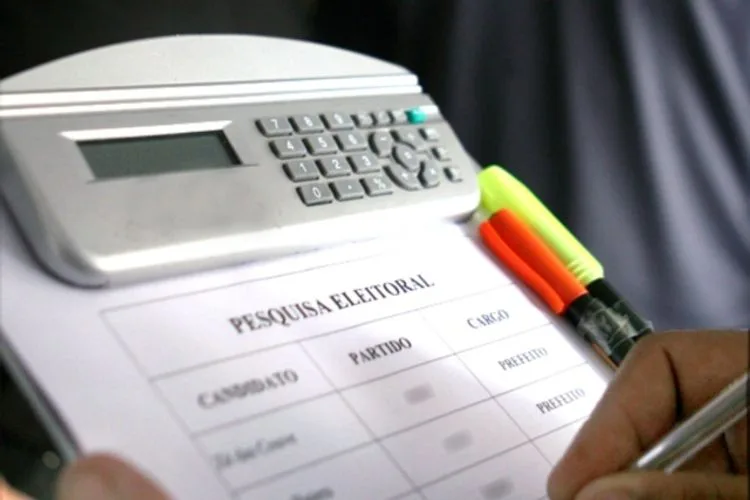
The respondent panel for electoral research is one of the most strategic tools for understanding voter behavior, measuring voting intentions, and tracking changes in opinion over time. In an increasingly dynamic political landscape, making decisions based on reliable data has ceased to be a differentiator and has become a necessity.
In this context, understanding how a respondent panel works and what its benefits are is fundamental for research institutes, political parties, consultancies, and political communication professionals.
What is a respondent panel for electoral research
First, the respondent panel for electoral research consists of a group of previously recruited people who agree to participate in surveys related to the political and electoral scenario. These participants represent different population profiles, considering criteria such as age, gender, region, education, income, and political positioning.
Unlike one-off surveys, the panel allows for data collection on a recurring basis. This makes it possible to track the evolution of voter opinion over time, identifying trends, changes in perception, and reactions to political events.
Read also: How online panels qualify the collection of voting intention research
How an electoral respondent panel works
Initially, participants undergo a recruitment and validation process, ensuring that the panel is representative of the electorate. Then, they receive invitations to answer questionnaires online, by phone, or through other digital means, according to the adopted methodology.
Furthermore, the collected data is constantly monitored to ensure quality, consistency, and reliability. In this way, the respondent panel for electoral research remains updated and aligned with the reality of the political scenario.
Read also: Respondent sample for electoral research
Main advantages of the respondent panel for electoral research
First and foremost, one of the biggest advantages is the agility in data collection. Since respondents are already registered, the time between research planning and obtaining results is significantly reduced.
In addition, the panel enables:
-
Greater control over the sample profile
-
Longitudinal monitoring of voter behavior
-
Cost reduction compared to traditional surveys
-
Greater precision in the analysis of electoral trends
Consequently, strategic decisions become more evidence-based and less intuitive.
Read also: Respondent samples: How to define and calculate a sample
The importance of representativeness in electoral research
Although the panel offers numerous advantages, representativeness remains a determining factor for the credibility of the research. After all, without an adequate balance between profiles, the results can deviate from the reality of the electorate. For this reason, the respondent panel for electoral research needs to undergo constant updates, incorporating new participants and periodically reviewing its composition.
Furthermore, considering that the demographic and social scenario is constantly changing, it is essential to adjust criteria such as age, region, education, and income. In this way, the panel keeps up with these changes and maintains its ability to reflect different segments of the population. Similarly, the application of well-defined filters and quotas contributes to more rigorous sample control, avoiding imbalances and distortions.
Finally, by reducing biases and increasing data reliability, the research becomes more robust and strategic. Thus, the results obtained offer a more solid basis for electoral analyses, campaign planning, and data-driven decision-making.
Read also: Important Characteristics of the Representative Panel
Respondent panel for electoral research in the digital environment
Currently, the use of digital panels has gained increasing prominence in the context of electoral research. This is because technology expands reach and makes the entire process more efficient. Among the main benefits are:
-
Expanded geographical reach: allows reaching respondents from different regions quickly and at a lower cost.
-
Agility in data collection: reduces the time between questionnaire application and obtaining results.
-
Real-time analysis: facilitates immediate monitoring of responses and identification of trends.
-
Strategic data visualization: contributes to clearer interpretations and more assertive decisions.
In this sense, the online respondent panel for electoral research proves to be even more efficient, especially during electoral periods. After all, when the political scenario changes rapidly, having agile responses and updated data becomes essential for accurate analyses and well-directed strategies.
Read also: How to choose the best respondent panel for your research
How the panel contributes to political and communication strategies
Finally, the data generated by a respondent panel for electoral research plays a fundamental strategic role in building and adjusting political and communication actions. Based on this information, it becomes possible to refine speeches, define campaign priorities, and identify sensitive issues for the electorate with much greater precision.
In this context, solutions such as Painel TAP enhance this process by offering access to qualified data, segmented profiles, and agility in information collection.
Thus, parties, candidates, and communication teams can anticipate movements, reduce risks, and increase the effectiveness of actions, always based on concrete and updated evidence. In summary, the respondent panel for electoral research consolidates itself as an indispensable tool for those seeking to understand the electorate deeply and continuously. By combining representativeness, speed, and data quality — especially when supported by platforms like Painel TAP — it allows for more strategic analyses and safer decisions.
Read also: PainelTAP: Respondent panel company specialized in research