Sample of respondents for electoral surveys
9 min read
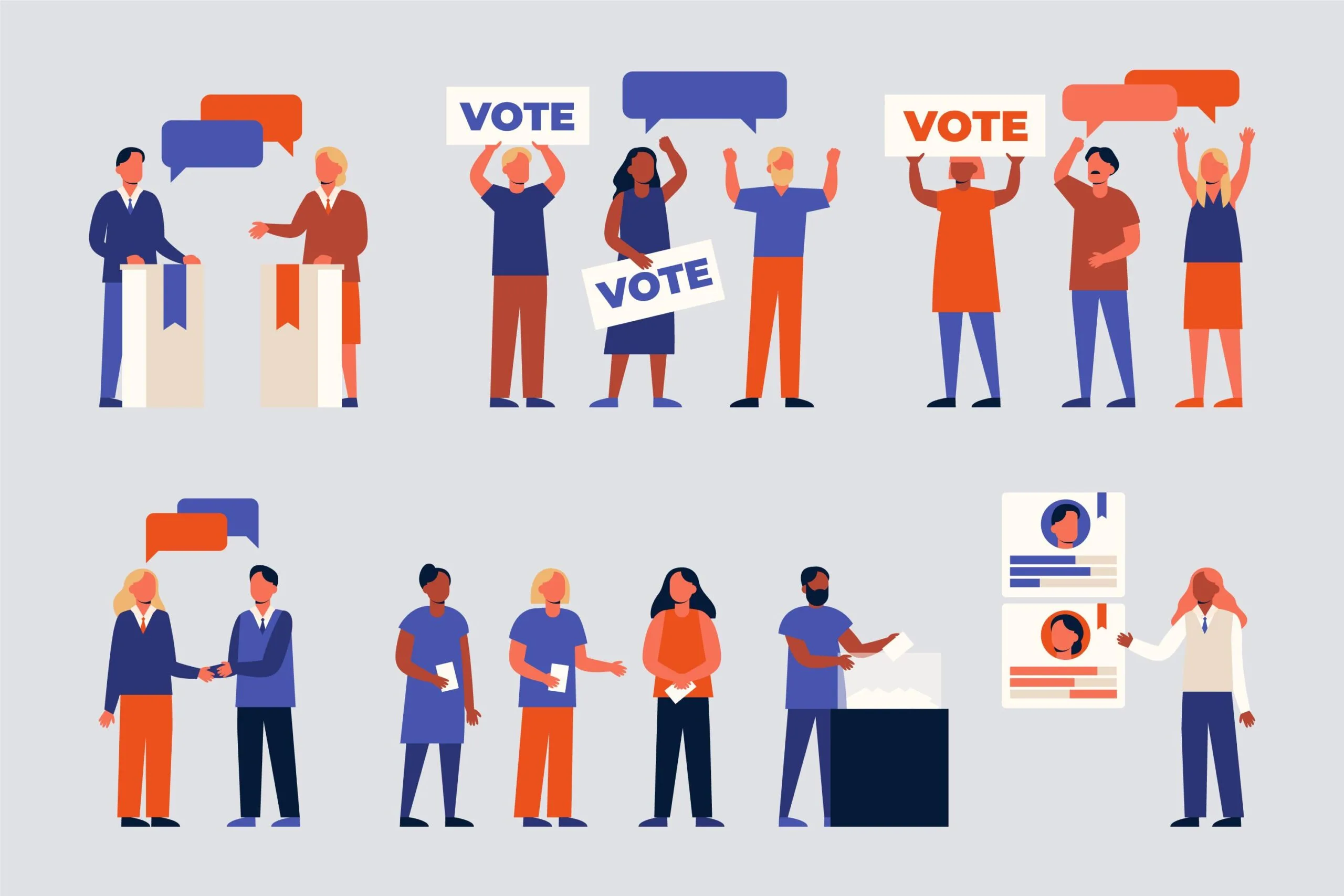
This article explores the importance of adequately selecting a sample of respondents in electoral surveys and discusses various methodologies to ensure the representativeness and accuracy of results. We will address the essential steps to create a quality sample, considering factors such as sample size, sampling methods, and demographic representativeness.
Electoral surveys play a crucial role in providing insights into the opinions and voting intentions of the population. However, the accuracy of these surveys depends on the careful selection of the respondent sample. This article discusses the necessary steps to create a reliable sample of respondents in electoral surveys.
Importance of adequate sampling
Highlight why an adequate sample of respondents in electoral surveys is fundamental to avoid biases and distortions in the results. Discuss the risks of a non-representative sample and how this can impact the validity of electoral surveys. The importance of adequate sampling cannot be underestimated in any type of research, including electoral surveys. An inadequate sample can result in distorted and unreliable results, which compromises the validity and usefulness of the insights obtained. Here are some reasons that highlight the importance of adequate sampling:
1. Population Representativeness: An adequate sample is crucial for research results to accurately reflect the opinions, attitudes, and behaviors of the target population. Representativeness is essential for making reliable generalizations about the electorate or other populations of interest.
2. Reduction of Bias and Sampling Errors: Inadequate samples can lead to selection bias, where certain population groups are underrepresented or overrepresented. This can result in biased results that do not reflect reality. Adequate sampling helps minimize these sampling errors.
3. Accuracy of Results: An adequate sample results in more precise estimates of population parameters, such as voting intentions in elections. This means that the survey results will be closer to the actual numbers, reducing the margin of error.
4. Confidence in Results: When sampling is carried out adequately, the survey results are more reliable and credible. This is fundamental for decision-makers, such as political analysts and candidates, to be able to trust the information obtained.
5. Avoiding Inadequate Generalizations: Inadequate samples can lead to hasty or erroneous conclusions about the general population. This can have significant consequences in electoral surveys, where results can influence campaign strategies and electoral predictions.
6. Efficient Use of Resources: An adequate sample helps maximize resource efficiency. Collecting data from a smaller, but representative, sample is more economical and less time-consuming than trying to interview the entire population.
7. Correct Interpretation of Results: The results of electoral surveys can have a substantial impact on the analysis and interpretation of political trends. An adequate sample ensures that conclusions are based on solid data, contributing to a more accurate interpretation.
In summary, an adequate sample of respondents in electoral surveys is one of the foundations of scientific research, including electoral surveys. It ensures that the results are reliable, representative, and useful for understanding opinions and trends in a specific population.
Also learn about the consumer panel for insights into new projects
Benefits of using a sample of respondents in electoral surveys
Using a sample of respondents for electoral surveys offers a series of benefits that can improve the efficiency, reach, and quality of the research. Here are some of the main benefits of using an online panel for electoral surveys:
1. Quick Access to Respondents: Online panels contain a large number of participants willing to answer surveys. This allows researchers to quickly access a diverse group of respondents, saving time in the search for participants.
2. Demographic and Geographic Diversity: Online panels are often composed of people from diverse geographical and demographic backgrounds. This helps ensure that the sample is representative of the electoral population, allowing for more accurate and reliable insights.
3. Flexibility and Scalability: Online panels can be easily scaled to meet research needs. If you need a larger sample, you can recruit more respondents from the panel. This is especially useful in large-scale electoral surveys.
4. Cost Efficiency: Conducting traditional electoral surveys, such as in-person interviews, can be expensive in terms of logistics and resources. Using an online panel can be a more economical option, as it eliminates costs associated with travel, hiring interviewers, and physical infrastructure.
5. Data Collection Speed: Responses from online panels can be collected quickly, as respondents are available to answer surveys immediately after the invitation. This speeds up the data collection process compared to traditional methods.
6. Possibility of Accessing Specific Audiences: If you want to target specific population groups (e.g., young voters, voters from a specific region), online panels allow for the recruitment of respondents who meet these criteria.
7. Quality Control and Monitoring: Online panel platforms usually have monitoring and quality control features, helping to identify and eliminate unqualified or fraudulent respondents.
8. Variety of Question Formats: Online panels allow for the use of a variety of question formats, such as multiple choice, rating scales, open-ended questions, among others. This enables rich and diverse data collection.
9. Reduction of Social Bias: In some situations, respondents may feel more comfortable providing honest and unbiased answers in an online environment, reducing the social bias that can occur in in-person interviews.
10. Follow-up and Updates: Online panels allow for more effective follow-up with respondents over time. You can conduct follow-up surveys to gain insights into changes in electoral opinions.
It is important to note that while online panels offer many advantages, there are also challenges to consider, such as the need to ensure the quality of respondents and the representativeness of the sample. Therefore, when choosing an online panel, it is essential to evaluate its credibility and the quality of its respondent database.
Calculate the sample size for your online surveys. Learn more here.
Cautions with a sample of respondents for electoral surveys
When using an online panel for surveys, it is important to take a series of precautions to ensure the quality, reliability, and representativeness of the results. Here are some precautions you should consider:
1. Selection of a Credible Panel: Choose a reliable and well-established online panel provider. Check the provider's reviews, history, and credibility to ensure they have solid recruitment and respondent verification practices.
2. Respondent Quality Verification: Ensure that the panel provider performs quality checks on respondents. This may include identity verification, demographic verification, and attention tests to avoid unqualified or fraudulent participants.
3. Sample Representativeness: Verify that the panel has an adequate variety of participants in terms of age, gender, ethnicity, education level, and geographical region. A representative sample is essential for obtaining accurate and reliable results.
4. Transparency of Methodology: Demand transparency about how the panel recruits and maintains respondents. Understanding the selection criteria and verification process helps assess sample quality.
5. Data Protection and Privacy: Verify that the panel provider follows strict data protection and respondent privacy policies. Ensure that personal data is kept confidential and that respondents have given informed consent to participate in the survey.
6. Unbiased Sampling: Avoid samples that have intrinsic biases, such as panels that only attract a specific type of audience. This can lead to distorted and unrepresentative results.
7. Validity of Responses: Keep in mind that participant responses may not be as reliable as those obtained in in-person surveys. People may not take responses as seriously, especially in online questionnaires.
8. Continuous Monitoring: Continuously monitor survey results and respondent quality. This helps identify any problems or biases that may arise during the process.
9. Margin of Error and Confidence: Remember that surveys based on online panels also have margins of error. Be sure to understand the limits of result accuracy and adjust your interpretation accordingly.
10. Combination with Other Methods: In some situations, it may be beneficial to combine online panel research with other methods, such as telephone or in-person surveys, to obtain a more complete view.
Using an online panel can be an effective way to conduct electoral surveys, but it requires a careful approach and constant evaluation to ensure that the results are valid and representative.
Steps to use a sample of respondents
Selecting a sample of respondents for electoral surveys is fundamental to ensure that the results accurately reflect the opinions and voting intentions of the general population. Here are some basic steps to select a sample of respondents for electoral surveys:
Define the Research Universe: Start by defining the research universe, that is, the population you want to study. For example, if the survey is about a presidential election in a country, the universe would be all registered voters.
Define the Desired Sample: Determine the desired sample size. The sample size depends on several factors, such as the margin of error you are willing to accept and the confidence of the results. A larger sample generally leads to more accurate results.
Random Selection: Random selection is crucial to avoid biases in the research. You can use methods such as random drawing of registered voters, random selection of phone numbers (for phone surveys), or other random techniques to ensure that all members of the universe have an equal chance of being included in the sample.
Representativeness: Ensure that the sample is representative of the target population in terms of demographic characteristics, such as age, gender, ethnicity, education level, and geographical region. This helps avoid bias and ensures that the results reflect the diversity of the population.
Balanced Interviews: When conducting interviews, seek to balance responses across different demographic groups to ensure the sample is representative.
Calculation of Margin of Error: When analyzing the results, take into account the margin of error associated with the sample. This indicates the range within which the actual results of the general population may lie.
Treatment of Non-Responses: Not all those selected for the sample will respond to the survey. It is important to track non-responses and assess whether they introduce any type of bias into the results.
Data Verification: Verify the quality of the collected data. This includes identifying and correcting errors or inconsistencies in the data.
Analysis and Interpretation: When analyzing the results, take into account the different demographic groups and their opinions. Be sure to present the results transparently, including the margin of error.
Responsible Disclosure: When sharing the results, be transparent about the sampling methods, margin of error, and other methodological considerations. This helps maintain the credibility of the research.
Remember that the accuracy of electoral surveys depends on the robustness of the sampling methodology and impartiality in data collection and analysis. Therefore, it is important to follow rigorous and ethical practices when conducting this type of research.
B2C Respondent Panel: What is it and how does it work?
Need research with respondent samples? Count on Painel TAP.
Behind Painel TAP is a team passionate about data and insight generation, who finds in each project a challenge to seek the best and fastest solution for the most diverse types of needs and demands in online research and market investigation.