How to conduct a brand health survey?
4 min read
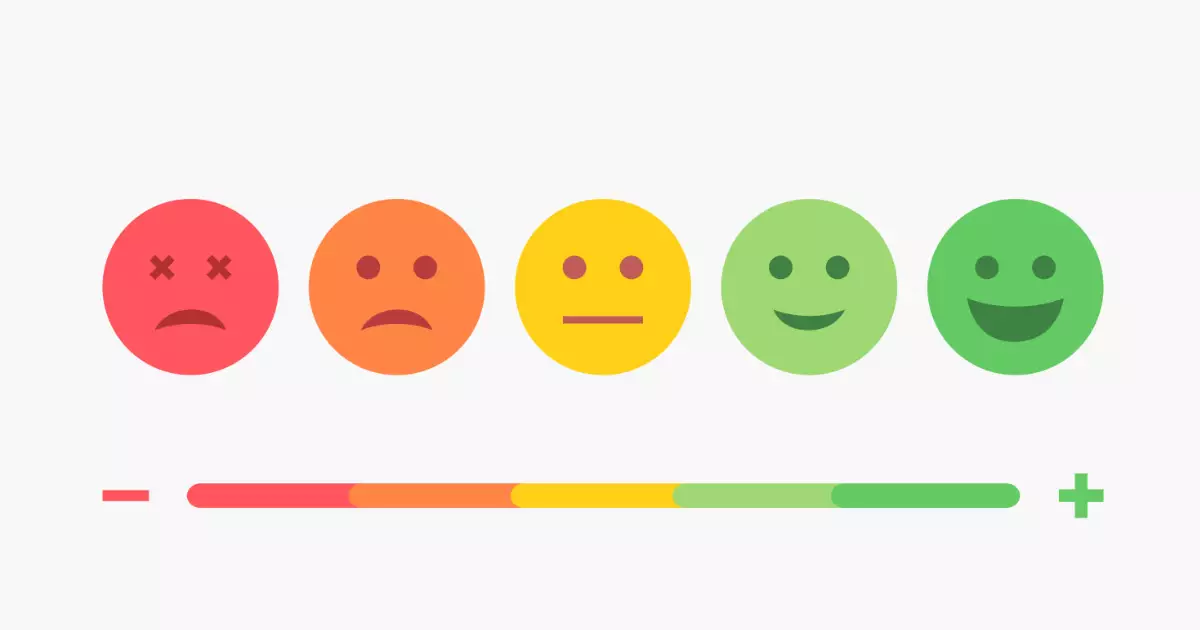
Understanding how the public perceives a brand is essential for strategic growth. For this reason, learning how to conduct brand health research has become an indispensable step for companies that want to monitor their reputation, relevance, and competitiveness over time.
Next, you will discover what brand health research is, why it is so important, and, most importantly, how to structure it efficiently, data-driven, and focused on results.
What is brand health research?
Brand health research, also known as Brand Health Tracking, is an ongoing study that evaluates how consumers perceive a brand across different dimensions. Key indicators analyzed include awareness, consideration, preference, trust, image, and purchase intent.
This research allows for the identification of strengths, weaknesses, and opportunities. Furthermore, it helps understand how campaigns, marketing actions, and market changes directly impact public perception.
Read also: Brand Health Tracking (BHT) Research: what is it?
Why conduct brand health research?
Before any strategic decision, it is crucial to have clarity about the brand's position in the market. After all, strong brands are built not only with good campaigns but with constant monitoring.
By conducting brand health research, a company can:
-
Monitor the brand's evolution over time
-
Compare its performance with competitors
-
Anticipate image and reputation risks
-
Identify opportunities for strengthening
-
Make data-driven decisions, not just based on internal perception
Therefore, more than a one-time diagnosis, this research functions as a continuous thermometer for the brand.
Read also: How to choose the best respondent panel for your research
How to conduct brand health research step by step
1. Define the research objectives
First, it is essential to clearly state what you want to measure. The research can have different focuses, such as evaluating positioning, understanding changes in consumer perception, or measuring the impact of a specific campaign.
With well-defined objectives, all subsequent steps become more efficient and coherent.
2. Choose brand health indicators
Next, determine which metrics will be analyzed. The most common indicators in brand health research include:
-
Brand awareness
-
Consideration
-
Preference
-
Attribute association
-
Trust and credibility
-
Satisfaction
-
Purchase intent
When selecting these indicators, it is important to align each of them with the previously defined objectives.
3. Correctly define the target audience
Immediately after, carefully choose who will answer the survey. The audience must faithfully represent the brand's market, considering demographic and behavioral profiles, and specific criteria, such as current consumers, potential customers, or purchasing decision-makers.
At this point, the use of qualified research panels makes all the difference in ensuring reliable data.
4. Strategically structure the questionnaire
Then, build a clear, objective, and balanced questionnaire. Use direct questions, rating scales, and comparisons when necessary. Also, avoid overly long questionnaires, as this can compromise the quality of responses.
Whenever possible, maintain consistency in questions to allow for comparisons over time.
5. Choose the data collection method
Currently, online collection is one of the most efficient ways to conduct brand health research. It offers agility, reach, and ease of segmentation. Furthermore, it allows for more frequent monitoring of results, which is essential for continuous analysis.
Regardless of the chosen method, the most important thing is to ensure the quality and representativeness of the sample.
6. Analyze results and generate insights
After collection, comes the most strategic moment: data analysis. More than looking at isolated numbers, it is fundamental to interpret trends, variations, and behavioral patterns.
In this sense, comparing results over time helps to understand whether the brand is evolving, stagnant, or losing relevance.
7. Transform data into practical actions
Finally, use the generated insights to adjust marketing, communication, product, or customer service strategies. After all, brand health research only generates value when it guides real decisions and concrete actions.
Companies that use this data continuously can strengthen their brand in a consistent and sustainable way.
Read also: Audience provider for market research
How often should the research be conducted?
Generally, it is recommended to conduct brand health research recurrently, whether in quarterly, semi-annual, or annual cycles. However, the definition of the ideal frequency must consider, first and foremost, the dynamism of the market in which the company operates, the level of competition, and, above all, the strategic objectives of the business.
Furthermore, markets in constant transformation require closer monitoring, as changes in consumer behavior, new competitor actions, or even image crises can quickly impact brand perception. For this reason, the more competitive the sector, the more relevant it becomes to monitor brand health continuously and structured.
Read also: Online consumer panel for market research
Conclusion
Learning how to conduct brand health research is, first and foremost, an essential step for companies that want to grow with consistency and relevance. Over time, by continuously monitoring consumer perception, the brand gains more clarity about its performance, reduces strategic risks, and strengthens its market positioning.
Furthermore, when this monitoring is carried out with the support of qualified research panels, such as TAP Panel, the data becomes more reliable, agile, and actionable. In this way, brand health research ceases to be just a punctual analysis tool and becomes a true strategic pillar, guiding smarter, safer, and data-driven decisions.
Read also: Ideal respondent profile for market research