Market Segmentation in Practice: Understand What It Is and How to Apply It
6 min read
In the business world, personalization has ceased to be a differentiator and has become a necessity. In this context, market segmentation plays an essential strategic role for any company that wants to stand out. After all, talking to everyone is talking to no one, and those who do not understand this lose ground to more prepared competitors.
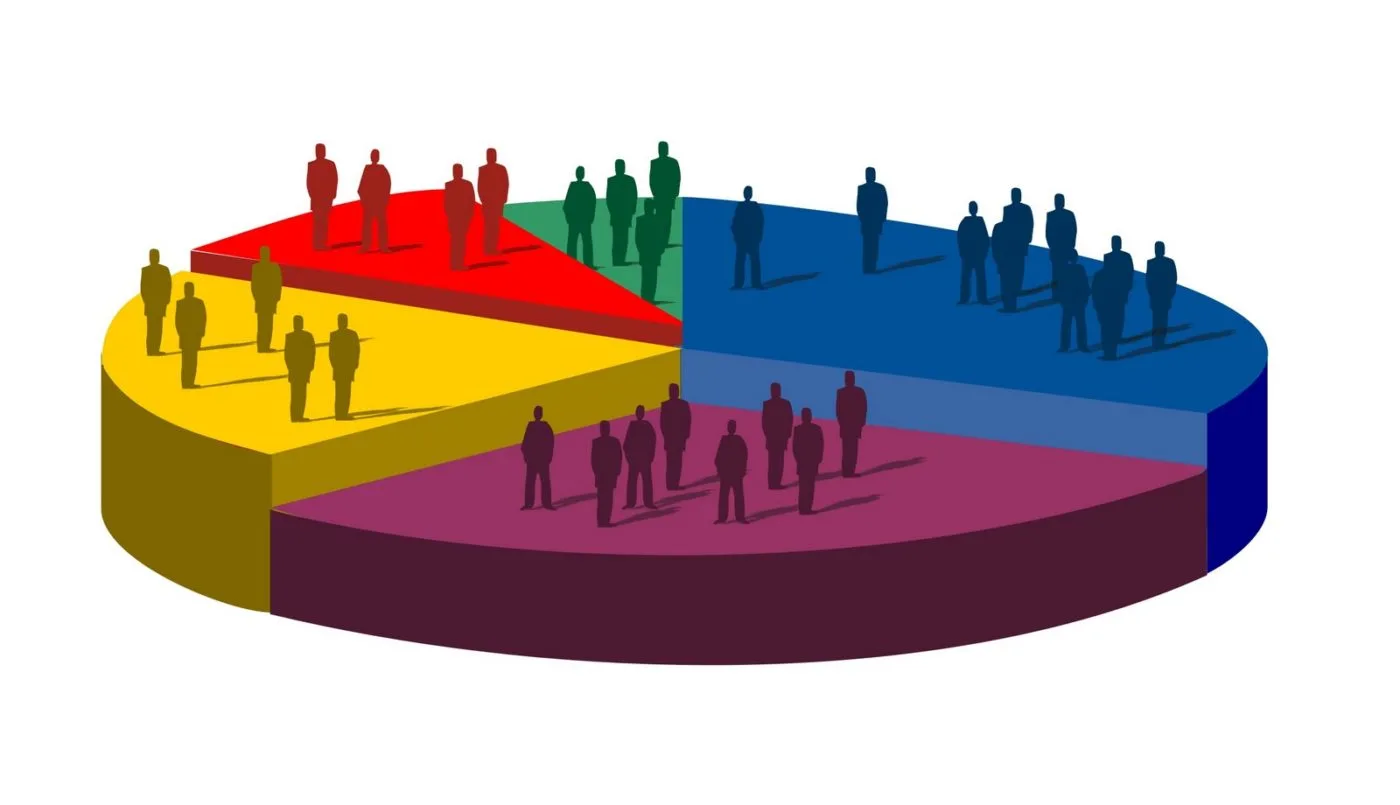
But what exactly does it mean to segment the market? Simply put, it means dividing a broad audience into smaller groups with similar characteristics and needs, so that strategies are more assertive. By adopting this practice, the company not only saves resources but also increases the chances of engagement and loyalty.
What is Market Segmentation?
Market segmentation is the process of dividing a broad market into smaller, more homogeneous groups with similar characteristics, needs, and behaviors. In other words, instead of adopting a generic approach, the company starts to direct specific messages to those who are truly interested in the product or service.
This strategy makes all the difference because today's consumer is demanding, informed, and expects personalized experiences. Therefore, segmenting is not just a competitive advantage: it is a necessity for those who want to grow sustainably.
Demographic segments. How to calculate the ideal target audience?
Why is Market Segmentation so important?
When a company truly understands who it is talking to, it not only optimizes resources but also directs efforts towards more assertive campaigns, which, consequently, improves the customer experience. As a result, there is an increase in conversion rates, greater loyalty, and a clear competitive advantage in the market.
Furthermore, market segmentation allows for identifying new opportunities, anticipating emerging trends, and developing products or services aligned with the expectations of the target audience. In this way, the company stops reacting to the market and starts acting strategically, positioning itself ahead of the competition.
Therefore, understanding the importance of segmentation is the first step; the next is to know the most common types of segmentation, which will serve as a guide to apply this strategy in practice and achieve even more effective results.
Continue reading here: B2C demographic segmentation: when and how to apply
Main Types of Market Segmentation
1. Demographic Segmentation
Demographic segmentation is the most used by companies, as it allows consumers to be classified based on objective and easy-to-measure characteristics, such as age, gender, income, education, occupation, and marital status. This way, it is possible to create products and campaigns directed at specific groups, increasing the relevance of communication.
Example: a children's clothing brand can target its collections to families with children aged 0 to 10 years, while clothing lines for teenagers are developed for another segment. In addition, promotions, sales channels, and even digital marketing strategies can be adjusted according to the demographic profile of the audience.
2. Geographic Segmentation
Geographic segmentation considers location, climate, population density, and cultural characteristics of each region. This approach is important because different regions have distinct needs, behaviors, and consumption habits.
Example: a beverage company may prioritize soft drinks in hot regions and hot chocolates in cold regions. Similarly, distribution, logistics, and even promotional campaigns can be adapted to meet the specificities of each location.
3. Behavioral Segmentation
Behavioral segmentation focuses on how consumers interact with the brand, considering purchasing habits, frequency, loyalty level, benefits sought, and stage in the sales funnel. This type of segmentation allows for creating more personalized and targeted strategies.
Example: e-commerce sites that offer exclusive discounts for recurring customers or remarketing campaigns for users who abandoned their cart. In addition, understanding consumer behavior helps predict demands and plan more effective retention actions.
4. Psychographic Segmentation
Psychographic segmentation analyzes the consumer's lifestyle, interests, values, beliefs, and personality, going beyond demographic data. This type of segmentation allows companies to connect emotionally with their audience, increasing engagement and brand value perception.
Example: fitness brands can target campaigns to people who value health, well-being, and sustainability, while luxury brands focus on consumers who seek status and exclusivity.
5. Benefit Segmentation
Benefit segmentation groups consumers according to what they expect from the product or service. This type of approach is effective because it directly connects product features to the audience's real needs.
Example: in a cosmetics line, one group of consumers seeks affordable prices, while another values natural and premium ingredients. This way, the company can develop different products or adjust communication to highlight the benefits that each group values.
Each type of segmentation offers valuable insights, but when combined, they allow for a deeper understanding of the audience and make the strategy even more powerful, enabling more precise and effective marketing decisions.
Read also: Market research glossary
How to Implement Market Segmentation in Practice?
1. Analyze the market and collect data
Before any action, it is essential to understand who your customers are and what their needs are. To do this, use market research, consumer panels, internal sales data, and analytics tools. In addition to revealing behavior patterns, this analysis allows for identifying trends, market gaps, and growth opportunities. This way, the company acts based on solid information, and not just on assumptions.
2. Identify relevant variables
With the data in hand, the next step is to define which variables truly impact your audience's purchasing behavior. Not all collected information will be useful; therefore, it is important to select strategic criteria that make sense for your business. For example, age or income may be essential for certain products, while lifestyle or consumption habits may be more relevant for others. This care ensures that segmentation is practical and efficient.
3. Create detailed profiles (personas)
After identifying the segments, transform them into detailed personas, assigning names, characteristics, behaviors, and specific needs. This facilitates the visualization of each group and helps the team to personalize campaigns, products, and services more effectively. In addition, well-defined personas make communication more targeted, consistent, and empathetic, bringing the brand closer to the customer.
4. Develop specific strategies for each segment
With the profiles defined, it's time to adapt communication, offers, channels, and even products according to the preferences of each group. Personalization is the competitive differentiator, as it allows each consumer to feel that the brand was made for them. For example, customers seeking price may receive special promotions, while premium customers value exclusive content or differentiated experiences.
5. Monitor and adjust constantly
Finally, it is important to remember that markets change and behaviors evolve. Therefore, segmentation is not a one-time action, but a continuous process. Monitor metrics, track campaign results, test new approaches, and adjust your strategies whenever necessary. This way, the company maintains relevance, ensures better results, and remains connected to consumer needs.
Continue reading here: Qualitative research in market research
The role of market research in segmentation
No market segmentation strategy can be considered effective without reliable and accurate data. It is precisely at this point that Painel TAP stands out. Through online surveys, specialized panels, and personalized analyses, it is possible to identify who the customers are, understand their behaviors, preferences, and needs, and segment them in a precise and strategic way.
Furthermore, when a company bases its decisions on concrete data, it not only reduces risks but also increases the assertiveness of its actions. Consequently, it becomes possible to develop more targeted campaigns, create products that truly meet public expectations, and, at the same time, gain a sustainable competitive advantage.
Moreover, the use of reliable data allows for anticipating trends, discovering new market opportunities, and adjusting strategies in real-time, ensuring that the company is always aligned with changes in consumer behavior. In other words, quality data transforms segmentation into a powerful tool for growth and differentiation in the market.
Another article worth reading: Primary Market Research: what you need to know